MicroStimuli: The New Science Of Persuasion
One promise of MicroStimuli is that millions more of us will press “Buy”. Could they get us to click a button called “Care”, instead?
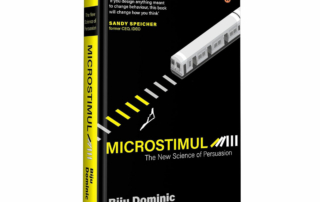
One promise of MicroStimuli is that millions more of us will press “Buy”. Could they get us to click a button called “Care”, instead?
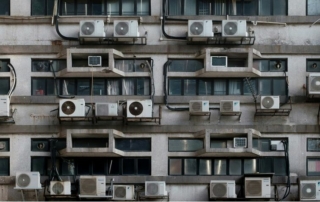
As a punishing heatwave headed for a fourth week here in France, a familiar cry went up from the country’s exhausted citizens: “The government must do something”.
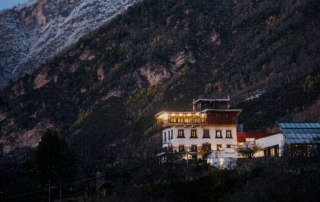
Apart from farming and tourism, what kind of work is available for young people in rural areas today? I talk with Shuchin Shu, an activist (with a Masters in Environmental Art) who heads the Yunhe Forest School in Zhonglu village in China’s Ganzi Tibetan Autonomous Region.
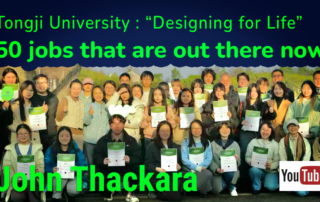
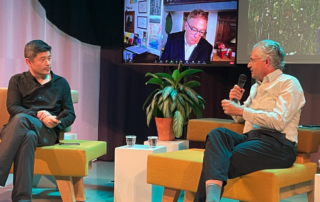
A talk in Shanghai during the launch of Design Harvests 3, the urban-rural innovation programme. The idea of “designing for life” sounds meaningful – but what do those words mean in practice? Are there jobs are available in that space?
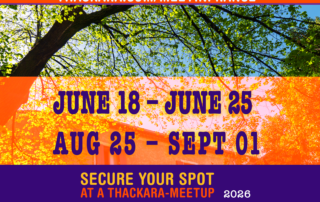
Some people come to reflect on what designing for life might mean for them. Others are working on a live project, thesis, course, or book. We also welcome those who want to transform their professional situation, and only do good work. They use a time-out here to figure out how to do that.
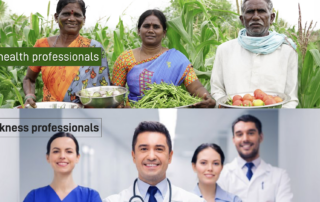
The desired outcomes of Aral School's work are healthy social, ecological and economic systems. Many of the skills and cultural energy needed are already out there, but fragmented. New kinds of social infrastructure, together with intangible cultural heritage, can be a medium of reconnection and healing.
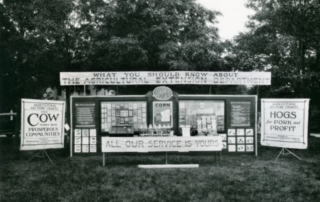
Under what circumstances would people interested in earth repair, ecological restoration, and civic ecology, find each other and what they need?
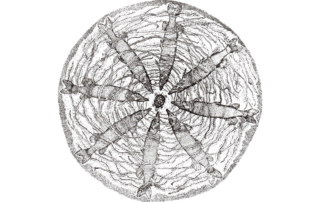
by Marin Schaffner (translator of Murray Bookchin and also of Vandana Shiva)
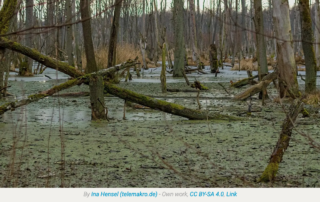
How to counter the negative connotations of "desert" and"swamp"

Extracted from the (many) slides I used with my lectures at Aran School, Uzbekistan, in 2026
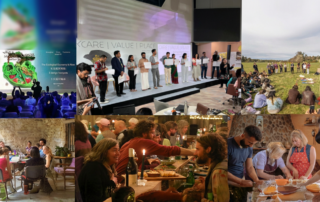
I was amazed and delighted to be awarded the Frontier Design Prize in October 2025. An initiative of the city of Shanghai, the Prize was for my “exceptional and far-reaching contribution to the field of regenerative design and social innovation”. That was my own highlight of 2025 - but what comes next?
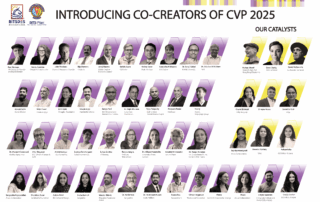
India’s Natural Farming movement is now active in 20 of India’s 29 states, and the Indian government has just launched an National Mission on Natural Farming. At this year’s Care, Value, Place #BITSDesignSchool at I asked, what practical acts of care might design offer to India’s Natural Farmers?
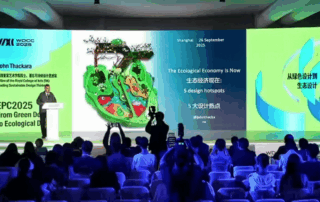
The following text is my keynote talk at last week’s World Design Cities Conference (WDCC25) in Shanghai. At that same event I was astonished - and delighted - to be awarded the Frontier Design Prize. This talk (video below) is a fair summary of the work being recognised by that award.
If sustainability is determined by the quality of our social and ecological relationships, how might AI contribute to the health of those relationships?
Trillions of dollars of climate finance need nature to be machine-like. But nature is not a machine. So how shall we proceed? In this 20′ talk, I ask: Can AI serve all of life, not just human life? And if so, how?
John Thackara Newsletter August 2025
“Balancing proximity and modernity” is the informal theme for our last MeetUp of the year which starts on 28 August (until 4 September).
I’m borrowing the words from Frédéric Bosqué who’s developing a rural transition neighborhood called Tera in the Aquitaine region of France. [continue …]
Strengthening food webs is not like designing a bridge. Rather it's a distributed social process of ‘muddling through’ together. It means embracing a messy politics of relationship, nuance, context, complexity and co-learning.
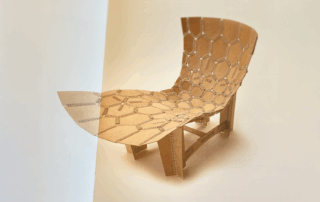
Emiliano Godoy discovers other reasons to produce than just feeding the economy. This text is my foreward to his new book El ABC del Diseño. It chronicles a 30 year career (so far) of learning-by-designing-and-making
On Tuesday 20 May I’m hosting a session (with Spanish translation) on the new Bioregioning In Practice online course. https://www.gaiaeducation.org/bioregioning-in-practice In my session we’ll discuss: Who is doing this work—and getting paid for it? What can we learn from them?
My interest in this practical [continue …]
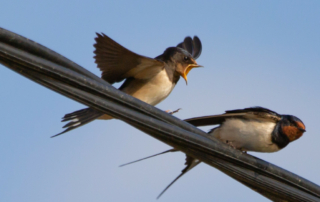
Thackara Meetups In France
People come to reflect on what designing for life [continue …]
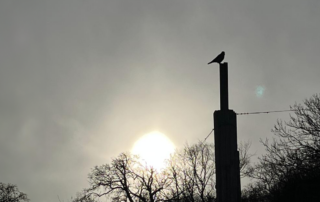
In a soundscape called The Cave, it’s as if you are surrounded by crows and even interact with them. At different moments one hears the call of a solitary crow; a communal chorus; the sound of mass fluttering when they all take off at once; or the barely audible cheeps of what seem to be intimate conversations.
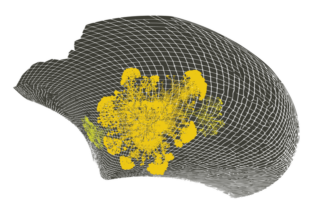
“From urban ecological restoration, and 15-minute cities, to ‘the last mile’ in waste ecosystems, transformative change is happening all around us. This timely event in Mumbai spotlights next-generation green projects - and how design will make them stronger”
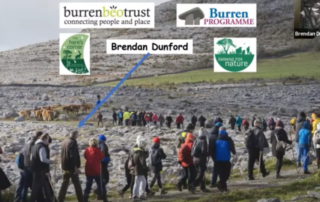
We ask real-world practitioners: What does bioregioning mean to you ? How does it catalyse/amplifiy your work? Which relationships are most important in your work?
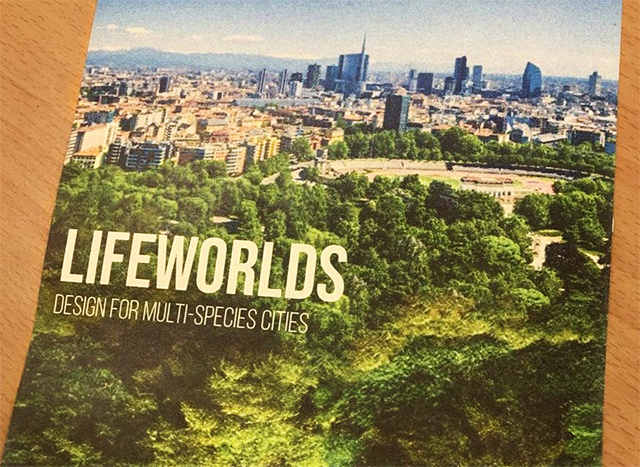
There is often more biodiversity in a city’s neglected spaces than in well-maintained parks and gardens - and at multiple scales, from microbiome, to bioregion. But these lifeworlds have been hidden from us during the urban age
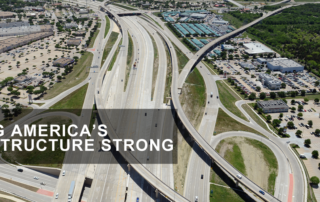
Most of these projects that are heavy, expensive and ecologically damaging. But in the absence of practical alternatives, simply saying "Stop!" is hopeless advice for the millions of people whose livelihoods depend on hard infra, now. Alternatives to concrete - infrastructures of care - are proliferating, and design can play a key role in moving these alternatives into the mainstream.
The role of design institutions, in today's context, is a practical one. It’s to enable reconnection with nature, and designing for life. That's it.
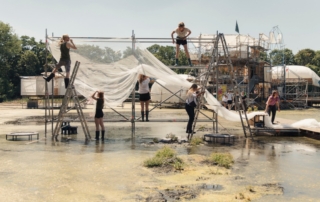
“Two thirds of employees want to have a positive impact on the world”. (click to read the report)
Is this research finding a surprise? Probably not. But, for most people I know, wanting to change, and actually doing so, remain miles apart.
Most, but not all.
I just posted [continue …]
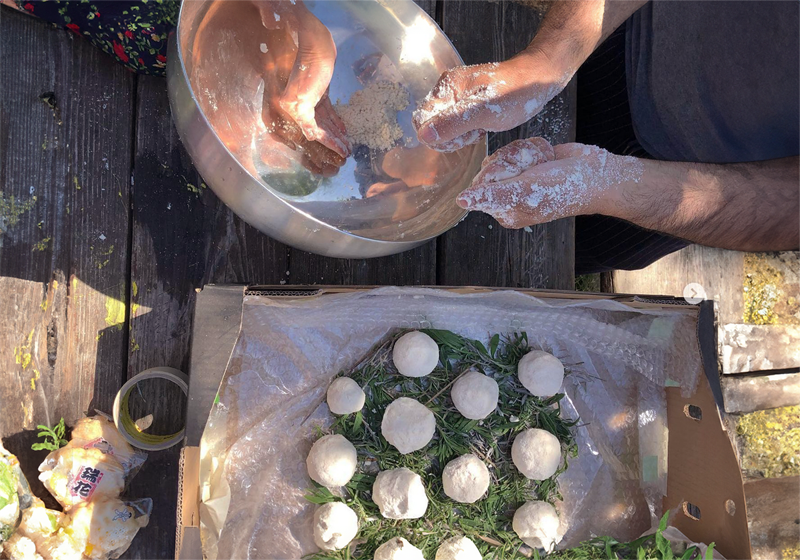
Creating a new world among the ruins of the old: Here are 80+ collections of stories about people designing for life in practice
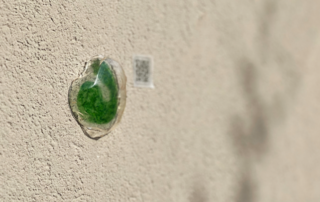
Plans are being made to plant billions of trees – but who will care for them, and how? One answer: Green infrastructure is as much social, as it technical. That lesson informed the design of these urban ecology tools, equipment, and experiences.
This short talk is about an economy with caring for life as its centre, rather than extraction and production. I compare earth care to modern medical care, and suggest that looking is not the same as caring. I ask what design can learn from Care Ethics – and find inspiration [continue …]
CONTENTS: Website upgrade | Where to meet post-Twitter? | Meetups & Residences | Designing for Life Case Studies | Edible Food Forests | Bioregioning in India | Nature Reconnection Podcast | Moth-friendly Fashion | Designing for Interdependence | Chinese ‘In The Bubble’ |
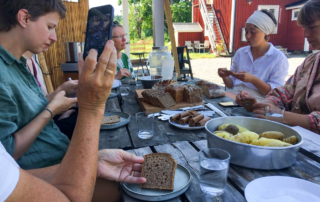
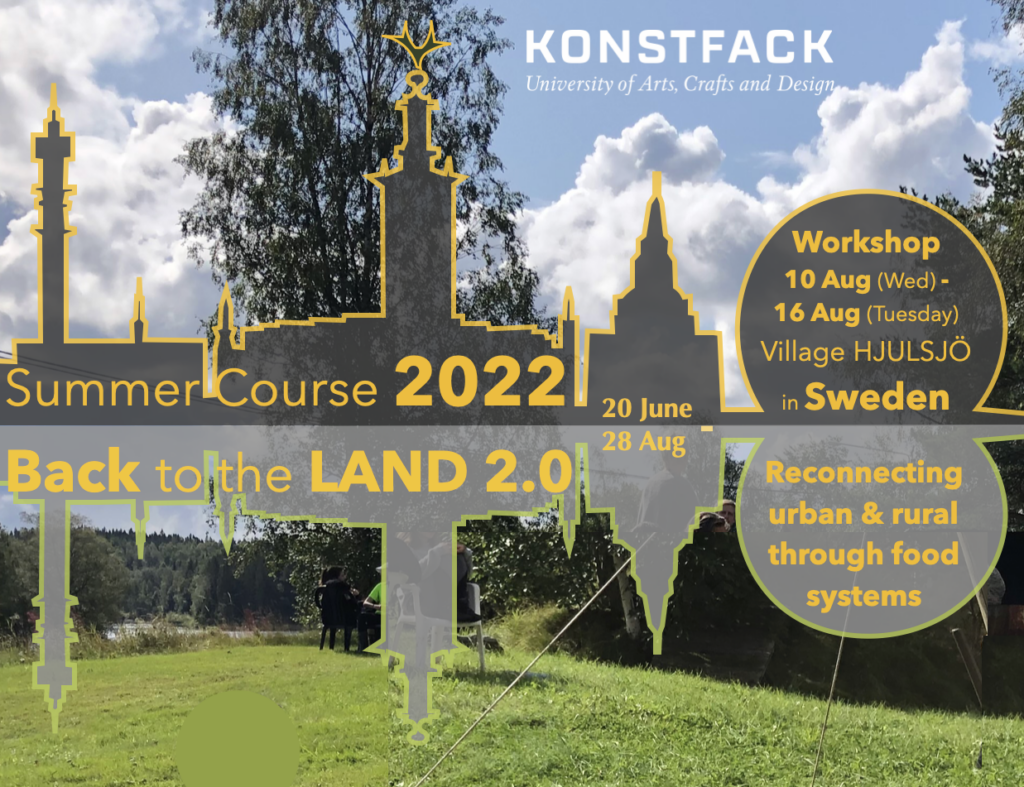
A new course in Sweden asks, “what will a self-sufficient Hällefors Municipality taste like in 2030?” By turning ‘would-be-nice’ ideas into tangible prototypes, it turns ecological transition from an aspiration, into a practice. Included here: 20x emerging new livelihoods - from Edible Food Forests, to School-Farm Biocantines
These are curious times. Even as the world burns, sustainable finance and green capitalism are booming: Sustainability Reporting. Net Zero. Climate Finance. ESG. Green New Deal. By some estimates, assets invested with environmental, social and governance (ESG) criteria now top £35 trillion. Why would investors put money into an asset [continue …]

You and I use more energy & resources in single month than our great-grandparents used during their whole lifetime. The science says we can thrive in future - but only if we meet our every day needs using 5% of the energy and material throughputs we’re using now. What are we supposed to do with that information?
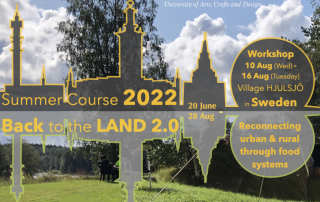
Mapping Local Resources. Connecting Growers & Citizens. New Co-operatives. Urban-rural reconnection. (These videos introduce the annual Back To The Land 2.0 summer school, in Sweden, that I run together with Konstfack).
I was stupefied when I read this text in 2020: “CEO Anne Rigail announces that Air France will offset all carbon emissions from the 450 domestic flights it runs daily. It will do so by funding projects to plant trees, protect forests, transition to sustainable energy, or protect biodiversity” A [continue …]
new ways to think about food and food systems - how to be, as well as what to do, in a food context
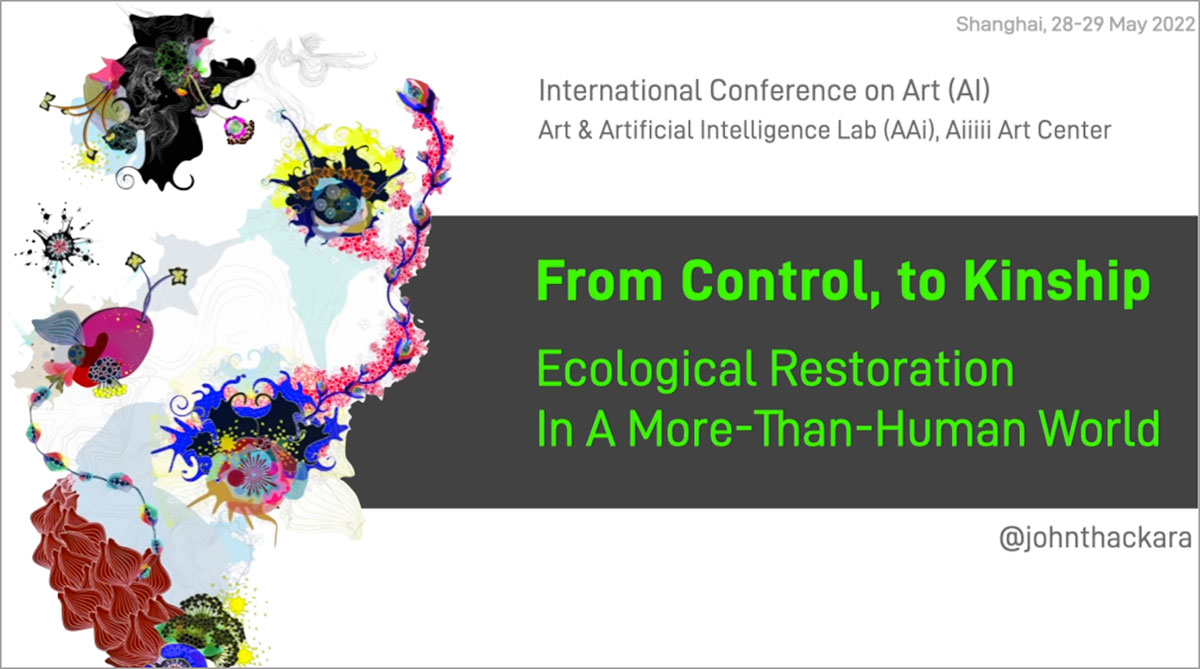
(Keynote talk in China) A just transition will happen when we see nature differently, relate to nature differently, and understand the purpose of development differently. So, can AI foster new ways of knowing and being in the world? Can it be medium of attention; a medium of connection; a medium of relationship with the living world?
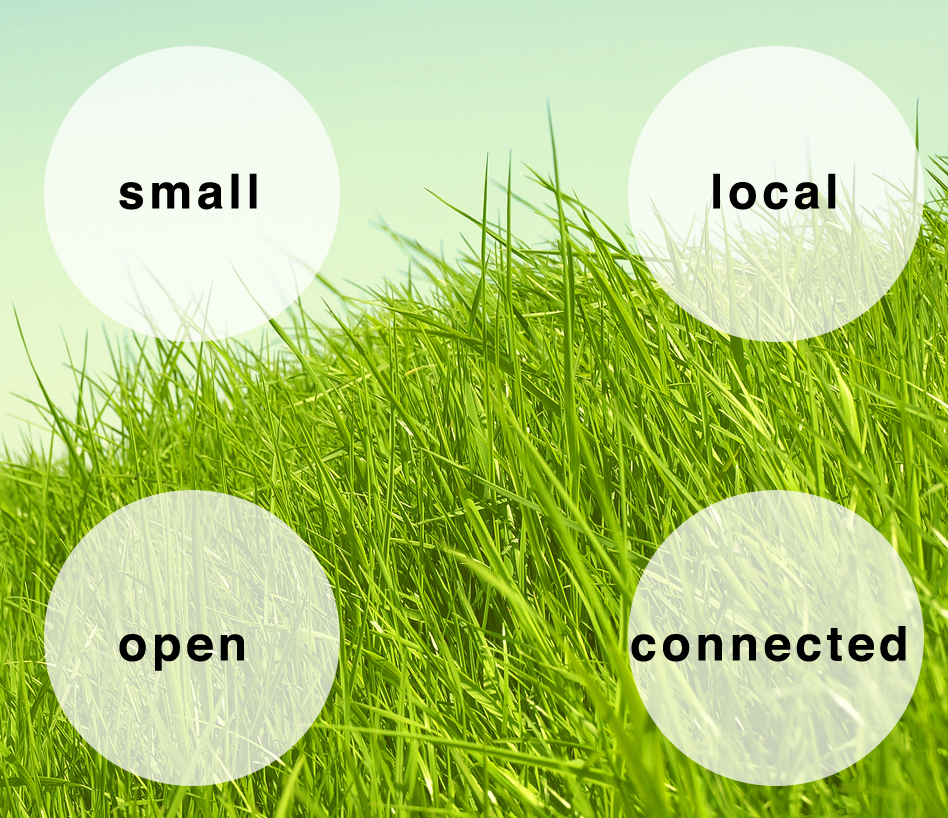
(This my review of Ezio Manzini's new book). You and I use more energy & resources in single month than our great-grandparents used during their whole lifetime. The science says we can only thrive in future by meeting our everyday needs using five percent of the energy and material throughputs we’re using now. That’s a Factor 20 reduction. What is anyone supposed to do with that information?
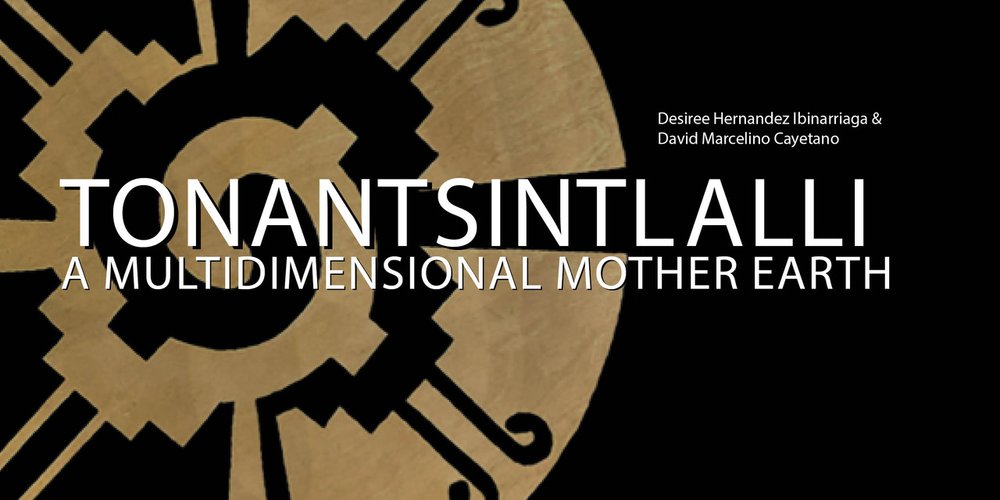
Can indigenous knowledges help us inhabit our own places in a more adaptive and responsive ways? Can connection with these kinds of lived experience help us redefine development, and progress, in our own situations? The text here is my introduction to "Tonantsintlalli - a Multidimensional Mother Earth" in Australia
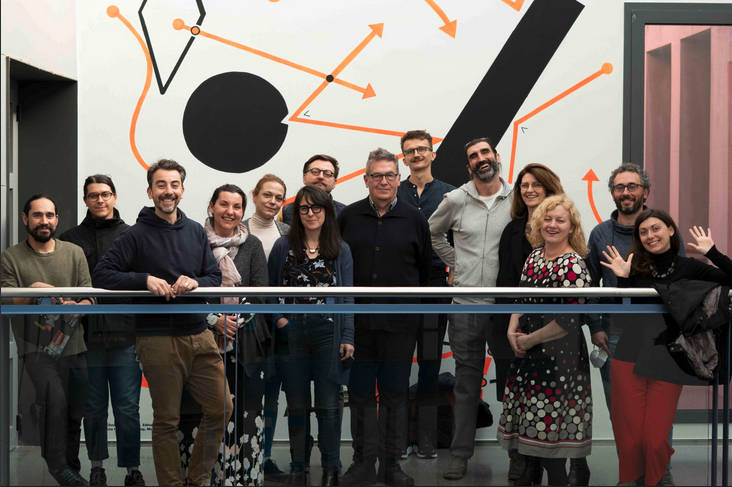
Village Hosts bring new social, economic and ecological life to small villages and their local economy. They create new livelihoods, and good work, in emerging urban-rural markets: positive-impact tourism, nature reconnection, adventure sports, farm-shares, learning journeys, wellness retreats, work-vacations, heritage trails, and more.
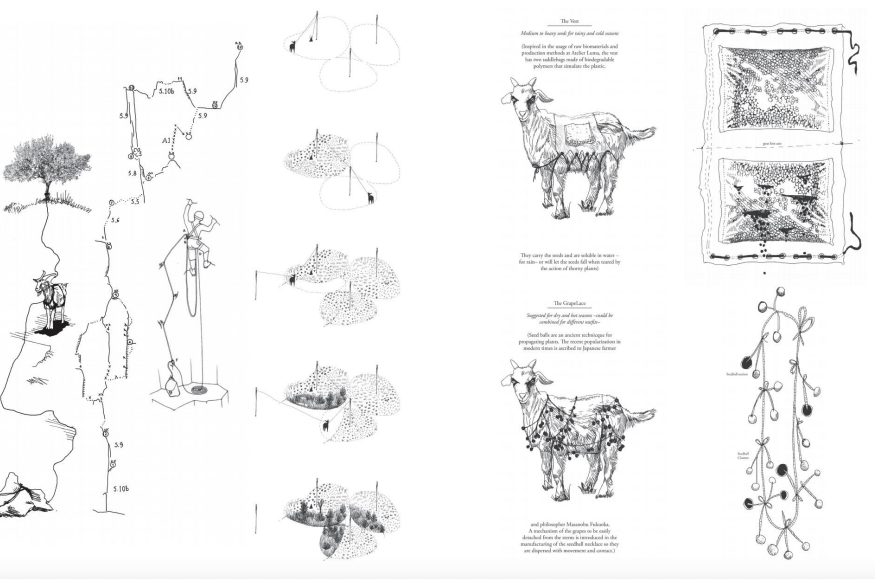
Twenty landscape students were given an unusual design brief: regenerate the soils of the Camargue bioregion - its rhizosphere - as a biological, living entity. Do do this, they were told, by creating new associations between, people, animals, vegetation, and weather.
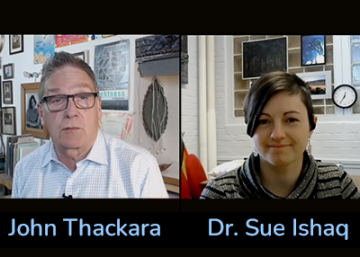
Ninety nine percent of life, it turns out, is invisible - so how do we design for that? My guest in this conversation is microbiome researcher Dr. Suzanne Ishaq, founder of the Microbes and Social Equity working group
Dates for my Meetups/Retreats in 2022 | YouTube Channel | Nature Reconnection: Hour of Ecology | Project Regenerative Design in China | School for Village Hosts in Europe | Back To The Land Summer School in Sweden | Recent Publications |
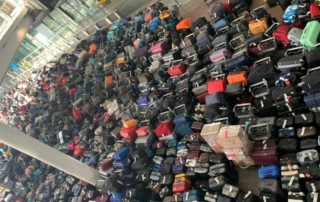
The chaos at Heathrow’s Terminal 5 is an excellent example of what happens when the logic of finance interacts with the logic of large complex systems. As Will Hutton wrote at the weekend, shareholders in British Airways (its sole tenant) and BAA (which runs the airport) demand perpetually growing dividends. [continue …]
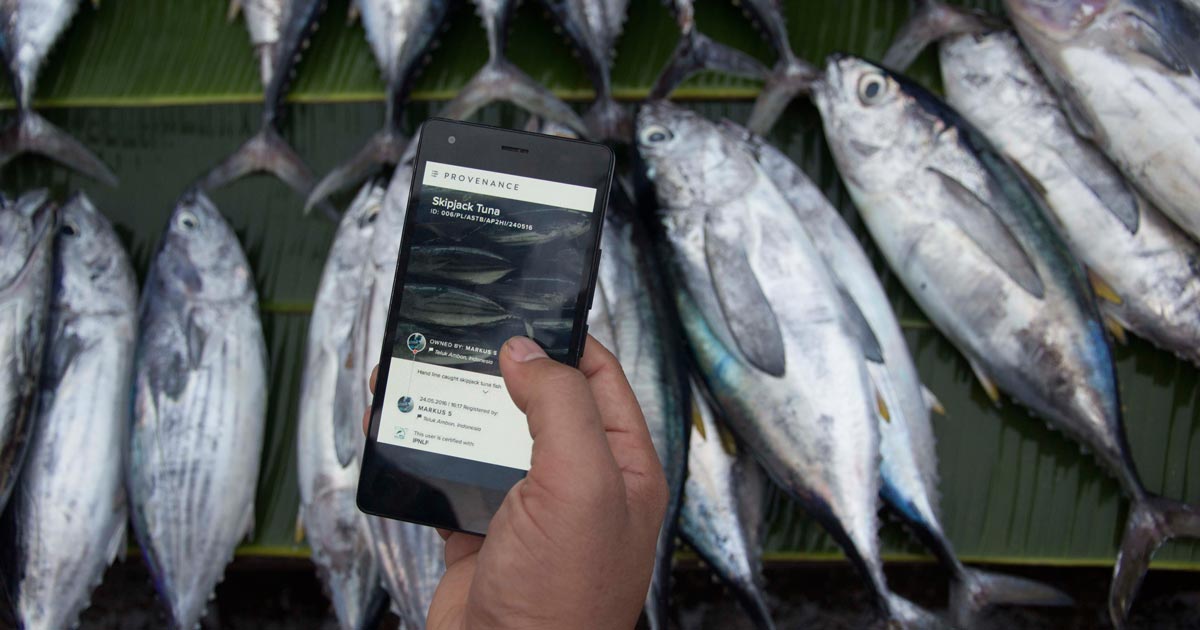
This is the French version of my interview with Domus Magazine: "When Value Arises From Relationships, Not From Things"
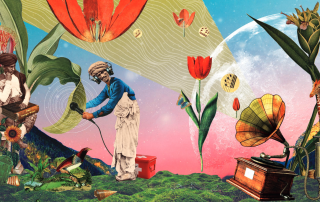
(My foreward to DEDI) Indigenous peoples have a closer relationship with the ecologies of their land than those who practice ‘production agriculture’. But their intimate, fine-grained knowledge can always be enhanced. For example, biodata collected from plants could be ‘heard’ by the farmer as music.
(I wrote this Prologue) Feeling powerless to change the course of events, the inclination to switch off can feel like self-defence. Karin Fink’s response is both nimble, and wise. Rather than re-draw the whole picture at a stroke, her focus in this book is on small connections, and how to enhance them.
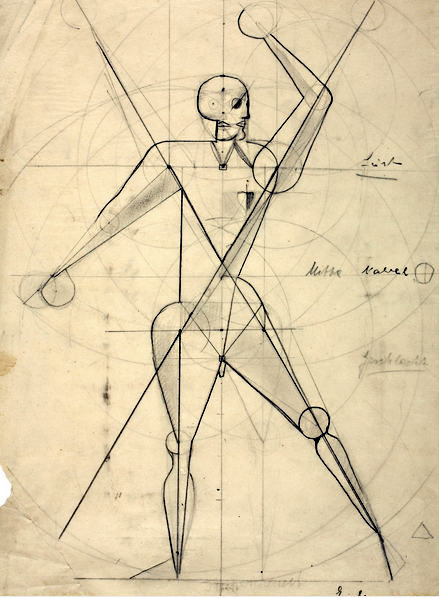
“Voyager, there are no bridges, one builds them as one walks” writes Gloria E. Anzaldúa. For her, life-centered design could as well be thought of as weaving, as walking. “We humans need to be nepantleras - bridge builders and reweavers of relationality” (My chapter in the new Bauhaus book).
(Interview for Politecnico Milano). Design needs to ask these questions first: “has anyone found a different way to meet this daily life need (for food, shelter, care, mobility etc)? In the past? In another culture?” Let’s find out what alternatives already exist, first, and then explore how to adapt and improve on those.
JOHNTHACKARA designing for life
© The John Thackara blog and website is licensed under a
Creative Commons Attribution-NonCommercial-NoDerivs 3.0 Unported License.
Permissions beyond the scope of this license may be available at john [at] thackara [d o t com], 1993-2026